
Piano Prices in Kenya


What Affects Piano Prices in Kenya? A Look Behind the Keys
Pianos are elegant, complex instruments that embody craftsmanship, culture, and timeless music. But what determines their price in Kenya? At Nakestra Piano Gallery, we’re often asked why pianos—especially good ones—can be so costly. The truth is, pricing goes far beyond just the instrument itself. Here are the main factors that influence piano prices in Kenya:
1. Taxation & Import Duties
While there have been efforts by the government to 0-rate musical instruments to support the creative industry, this proposal has yet to be implemented. As it stands, musical instruments like pianos are still subject to high import taxes. Import duties, VAT, excise, and related levies can amount to nearly 100% of the instrument’s value by the time it lands in Kenya. This heavy taxation significantly inflates the cost of bringing in quality instruments.
2. The Cost of Doing Business
From high rental fees for retail spaces to logistics, staff, warehousing, and marketing, the cost of operating a piano business in Kenya is substantial. Note that at times pianos may take longer than the usual product to sell, being a niche business. Running a physical showroom, providing personalized service, offering warranties, and maintaining instruments professionally all contribute to the final pricing structure.
3. Growing Market Competition
Kenya’s music and arts culture is growing fast, and so is the demand for musical instruments. While this growth is exciting, it also brings increased competition—from local dealers to online resellers. To stay ahead, we invest in product knowledge, customer care, and after-sales support, which adds value that goes beyond just the price tag.
4. Product Sourcing and Quality Assurance
At Nakestra, we don’t just import any piano—we curate our selection. We work with reputable manufacturers and suppliers who meet high standards in tone, action, durability, and aesthetic appeal. Whether it’s a digital, upright, or grand piano, each piece is selected for its ability to meet the demands of students, professionals, and institutions alike.
5. The Resale Market Dilemma
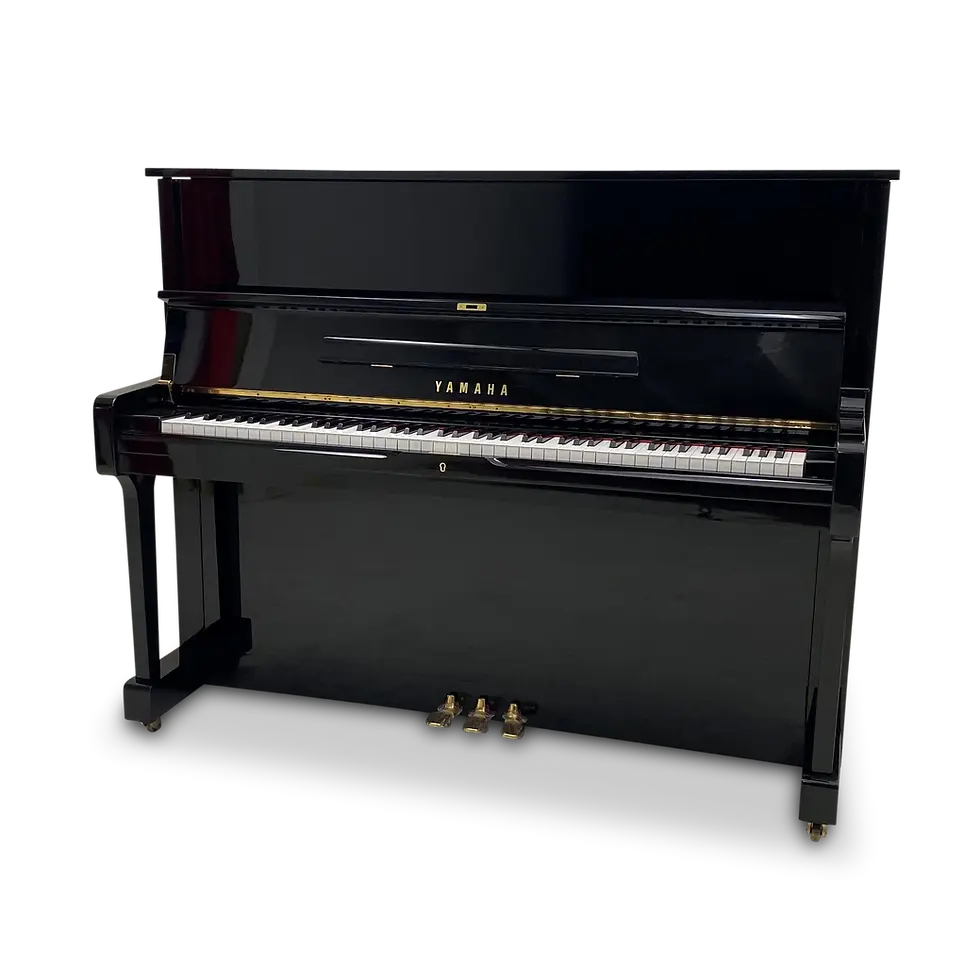
One unique challenge is competing with resale pianos—some of which retain a surprising amount of value. Used pianos from Japan, Europe, and elsewhere are often still in good condition, and many buyers opt for them due to their relatively lower price points. However, it’s important to remember that resale products don’t always come with after-sale support or quality guarantees.
Our Commitment to You
Despite all these challenges, Nakestra is committed to offering high-quality pianos at competitive prices. Whether you’re buying your first digital piano, upgrading to a grand piano, or seeking a professional digital model, we provide expert advice and ongoing support.
As we grow with Kenya’s music scene, we remain passionate about helping musicians and families access beautiful, well-built instruments that inspire for generations.
Visit Nakestra Piano Gallery – Where we support music, food for the soul


Comments