
Bringing Back the Piano Lobby: Why Kenyan Hotels Should Join the Vibe


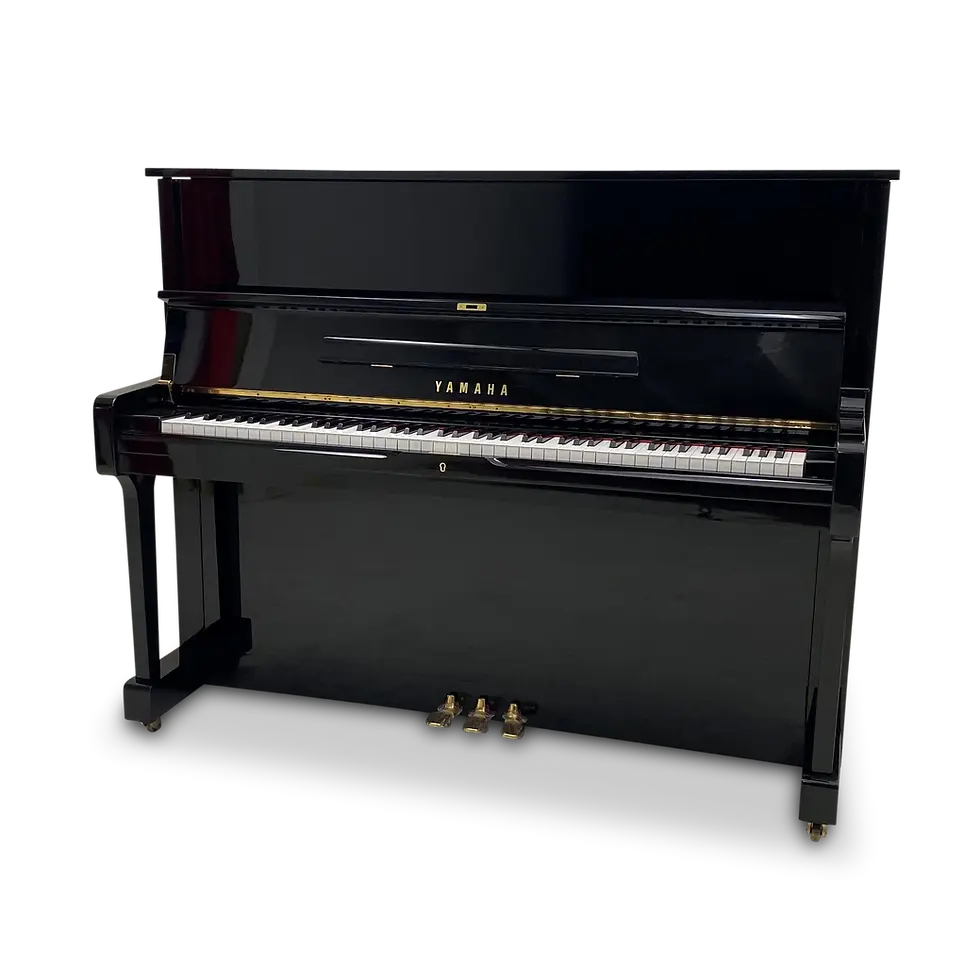
Walk into many of Kenya's grand hotels and you may find an old piano sitting quietly in the lobby. Sometimes it is polished and elegant. Sometimes it has not been tuned in years. More often than not, it serves as decoration rather than an instrument. Yet these pianos represent something larger: a tradition of hospitality that modern hotels around the world are beginning to rediscover.
For over a century, the piano lobby occupied a special place in hotels. Before televisions, smartphones, and streaming services, hotel lobbies were social spaces. Travelers gathered to meet, converse, listen to music, and experience a sense of occasion. The piano transformed a lobby from a waiting room into a living room.
Today, many luxury hotels in cities such as New York, London, Singapore, and Dubai are reviving live lobby music. They understand that guests increasingly seek memorable experiences rather than merely comfortable rooms. A pianist playing jazz standards, familiar Chopin pieces, African arrangements, or contemporary hits creates atmosphere, encourages guests to linger, and gives a hotel a distinctive identity.
Kenyan hotels are uniquely positioned to embrace this revival. Across Nairobi, Mombasa, Naivasha, and other destinations, many hotels already possess beautiful acoustic pianos inherited from earlier eras. The infrastructure for a revival largely exists. Instead of treating these instruments as relics, hotels could transform them into cultural assets.
Imagine a lobby where a pianist performs arrangements of Kenyan classics, Benga melodies, Swahili taarab tunes, gospel favourites, or contemporary Afro-fusion pieces. The piano could become a platform for local musicians while offering guests an experience rooted in Kenyan culture rather than imported hospitality trends.
The piano lobby also creates opportunities for community engagement. Hotels could host evening performances, student recitals, jazz nights, or collaborations between pianists and traditional instrumentalists. Such events would attract both guests and local residents, turning hotels into cultural gathering spaces.
There is also a compelling business case. In an era when travelers share experiences instantly on social media, live music creates moments worth photographing and recording. A memorable lobby performance can become part of a hotel's brand identity and marketing story. Guests who linger longer in lobby lounges are also more likely to purchase beverages, meals, and other services, creating revenue opportunities that extend beyond room bookings.
Some hoteliers may view piano maintenance as an unnecessary expense. Yet a piano requires relatively modest investment compared to many hospitality upgrades. Regular tuning and basic maintenance can preserve an instrument for decades while helping create an atmosphere that guests remember long after checkout.
The goal is not nostalgia for a colonial past. Many of the pianos found in Kenyan hotels may indeed date from colonial or early post-independence periods, but their future need not be tied to that history. Instead, these instruments can be reimagined as tools for contemporary Kenyan creativity, celebrating local talent and culture in a way that feels relevant today.
The piano lobby is an old idea whose time may have come again. The instruments are already there. The talent is already there. What remains is for Kenyan hotels to recognize that a piano is not merely furniture—it is an invitation to create atmosphere, culture, and connection.
The next great hotel experience in Kenya may not require a new building, a new restaurant, or a new technology platform. It may simply require opening the lid of a piano that has been silent for too long.
Perhaps it is time for Kenyan hotels to join the vibe.
A Waweru - Nakestra


An advanced diploma in construction management can support professionals looking to develop stronger knowledge of construction project processes. Structured learning can cover important areas of planning and management. The College of Contract Management provides relevant professional training.
Professional recognition is often supported by a combination of experience, reflection, and continuous development throughout a career. Information associated with ice review commonly explores competency assessments, professional achievements, and the evaluation of experience within engineering disciplines. These topics provide useful insight into how individuals demonstrate their capabilities while progressing through established professional frameworks. Understanding the role of structured assessment can contribute to a broader appreciation of career development. Ongoing learning remains an important part of maintaining professional competence.
An human resources courses for beginners can help build essential knowledge in employee relations, recruitment, and workplace policies. Recognised training also supports the development of practical skills that are valuable across many industries. The College of Contract Management offers flexible online HR courses designed for professional growth and career development.